
Meet the Musician Behind Mata Berawa
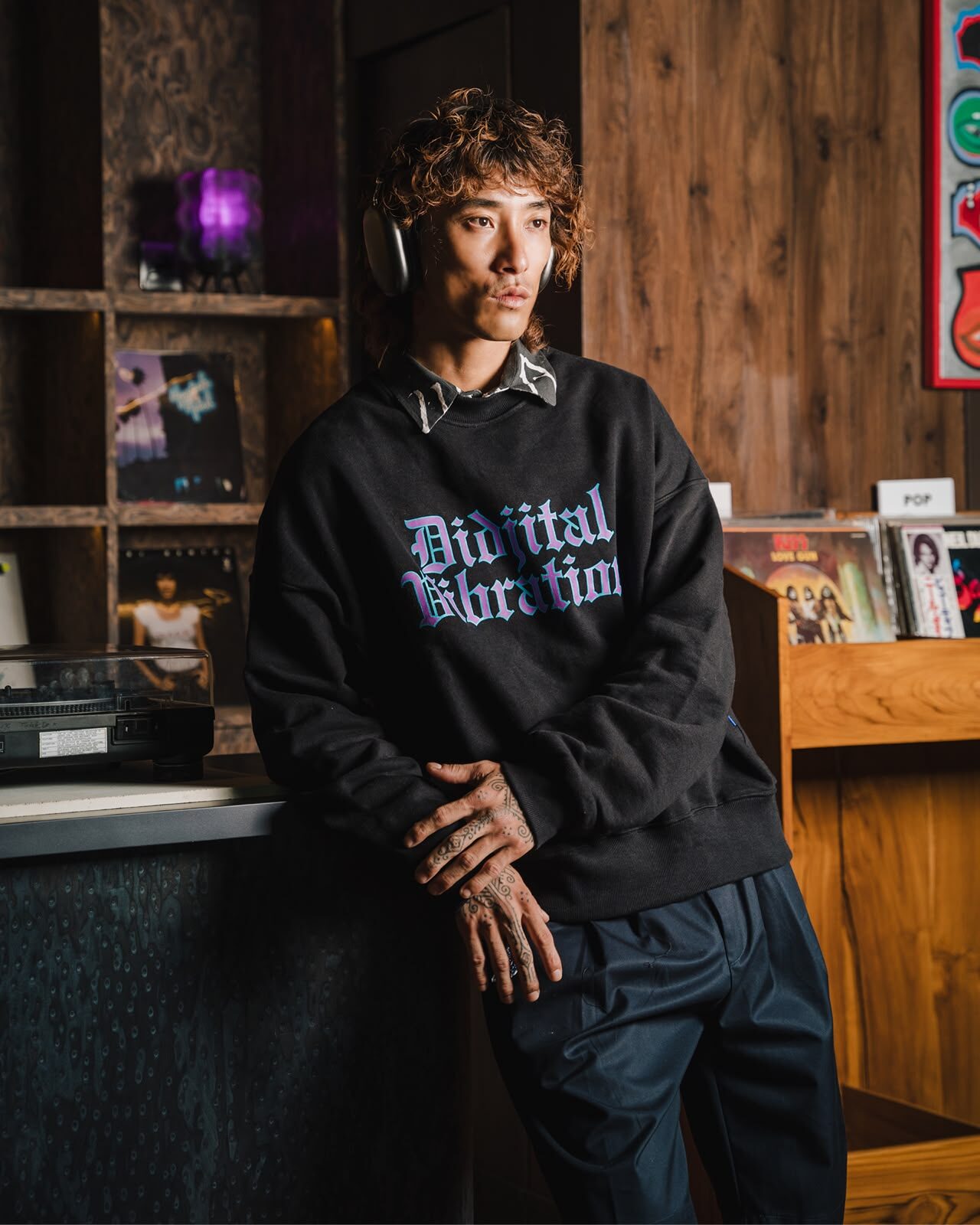
By Mata Berawa Team · Berawa, Canggu
There’s a particular kind of person who opens a restaurant, a bar, and a shop in the same building and calls it a single idea. Usually they’re kidding themselves. Marcello Tahitoe is not.
He’s a musician first, and that’s the tell — the thing that turns a compound in Berawa from a hedge-your-bets hospitality play into something closer to a point of view. Sit with him inside Mata Berawa, the place he built in Canggu, and the whole “three things under one roof” arrangement stops reading as indecision. The confusion, he’s happy to tell you, is the most common reaction he gets. It’s also, more or less, the plan.
“The misconception about Mata is those three places all together,” he says. “People think it makes it hard to focus — do you eat, do you have a cocktail, do you shop the local labels? But the way I see it, all three together makes life easier.” He isn’t selling that as a slogan. It’s how he actually moves through a day: eat something honest, hear something good, maybe leave with something you’ll keep. His question back to you is reasonable enough — why should that be three trips across Canggu when it can be one room in Berawa?
The engine was never the food
To understand Mata, you start with the music, not the menu. Tahitoe’s background is on stage, and it shows in the way he talks about the place: the bar and the record shelf are the current everything else is plugged into, the food an anchor rather than a headline. It’s why a warung and a shop can sit next to a speakeasy without the seams showing — they’re wired to the same idea of taste and discovery, a room that quietly rewards paying attention.
That’s also why he bristles at the notion of Mata as a scene for one tribe. “We offer food, we offer music, we offer clothes,” he says — the three things, in his telling, that anyone on earth can relate to. He wanted a Bali local and someone three days off the plane to end up at the same table, not a velvet rope.
The bet is the second visit
Ask him what he’s actually chasing and he skips right past the first impression. The first time, he figures, you only touch the surface — you clock the space, you eat, you go. Fine. It’s the return he cares about. “I want them to feel more alive, more creative on their second visit,” he says. “The first time they only touch the surface. But the second time, they feel more connected — to the vibe, to the creative environment we built.” Mata is designed for the second visit and the tenth. Hype fades; the habit is the entire business model.
So when you ask the obvious question — what is this place — he doesn’t reach for a category. “It’s the place for creative souls who love great food, amazing drinks, good music, good vibes,” he says. Not a restaurant that happens to play music. A worldview that happens to serve dinner.
The essentials
- What it is: one compound in Berawa, Canggu — a warung (Mata), a live-music speakeasy (Paisley), and a curated shop (Live byChance)
- Founder: Marcello Tahitoe, musician
- The idea: three things together that “make life easier” — eat, listen, and discover in one room
- Where: Jl. Subak Sari No. 13, Berawa, Canggu · @mataberawa · 4.8★ on Google
FAQ
What is Mata Berawa? Mata Berawa is a lifestyle compound in Berawa, Canggu, founded by musician Marcello Tahitoe. It brings three things under one roof: an Indonesian warung, Paisley (a live-music speakeasy bar), and Live byChance (a curated retail shop).
Is Mata Berawa a restaurant, a bar, or a shop? All three, by design. Tahitoe frames the three-in-one not as a lack of focus but as a way to “make life easier” — you can eat, drink to live music, and shop local brands in one place in Berawa.
Who is Mata Berawa for? Everyone — locals, expats and travellers alike. It’s built around food, music and clothes, deliberately designed to welcome a mixed crowd rather than a single scene.
What makes Mata Berawa different from other Canggu venues? Its founder is a musician, and music is the “culture engine” of the compound rather than background noise. Mata is built for repeat visits — the goal is that you feel more connected and creative on the second visit than the first.